
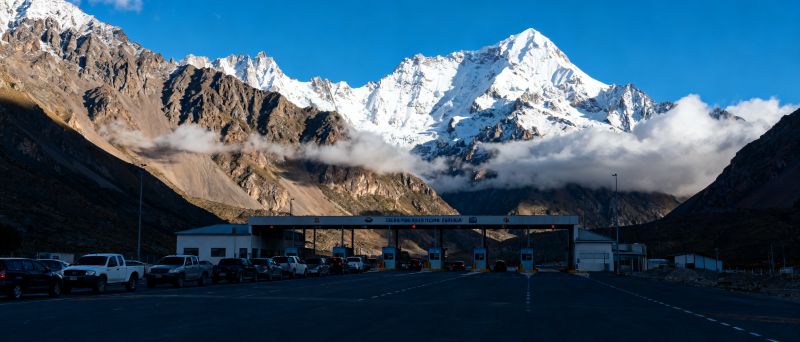
he first thing that hits you crossing the Andes between Santiago and Mendoza isn't the scenery—though the Aconcagua's shadow is dramatic enough—it's the paperwork. Chilean customs at Los Libertadores can chew up three hours on a bad day. Argentine migration?Often quicker, but with a border guard who might ask why your backpack smells like a vineyard. That small friction tells you something: Chile vs Argentina isn't a debate you settle with a spreadsheet. It's a rhythm you feel in your bones after a week on each side.Chile runs like a Swiss watch that occasionally gets shaken by an earthquake. Public buses in Santiago appear within four minutes of the posted schedule. The metro is spotless, almost sterile. Walk into a bank and you'll take a number and wait—quietly, in order. That order has a cost. I once watched a Chilean friend apologize to a parking meter for feeding it a slightly crumpled bill. Argentina。by contrast, operates on what locals call la viveza criolla—a street-smart improvisation that keeps things moving when systems fail. Buenos Aires buses might come late, but the driver will wait while you sprint across Avenida 9 de Julio. Which approach suits you?
Depends whether you'd rather be on time or be forgiven for being late.Money is the sharpest dividing line in any Chile vs Argentina conversation. Chile's peso is boring and stable;you can plan a budget months ahead. Argentina's inflation—running above 200% in recent years—turns every purchase into a negotiation. I remember buying a coffee in Buenos Aires。paying with a 1,000-peso note, and watching the barista sigh because the change would be worthless by Thursday. Chileans save in pesos. Argentines save in dollars under mattresses, in crypto, or in anything that doesn't melt. That difference bleeds into daily life: Chilean supermarkets price-check without drama;Argentine ones feel like auctions where the auctioneer forgot to show up.Wine tells the cultural story better than any statistic. Chile's Casablanca Valley produces crisp Sauvignon Blancs that win international medals with almost monotonous regularity. The vineyards are corporate。
polished, and efficient—like the country's copper exports. Cross into Mendoza and the same grape variety tastes earthier, less predictable. Argentine winemakers argue about terroir the way football fans argue about tactics: loudly, with passion, and often without resolution. A Chilean sommelier will describe a wine's technical profile. An Argentine one will tell you about his grandmother's vineyard and the drought of '62. Both can be right. Only one makes you feel like you've been let in on a secret.After six weeks bouncing between the two, I stopped asking which is better. Chile gives you reliability;Argentina gives you stories. Chile's Atacama Desert is the driest place on Earth, yet its tourism infrastructure runs like clockwork—guided tours leave at 5:07 a.m., not 5:10. Argentina's Patagonia is equally stunning。but your bus might break down near El Chaltén, and your guide will end up sharing mate and biscuits with you while you wait for a replacement. You'll remember the breakdown longer than the glacier. The Chile vs Argentina choice isn't about winners and losers. It's about whether you want a country that works or a country that lives. Most travelers end up wanting a bit of both—and that's the honest answer no comparison chart will give you.